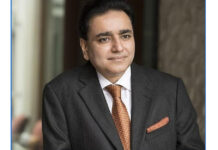

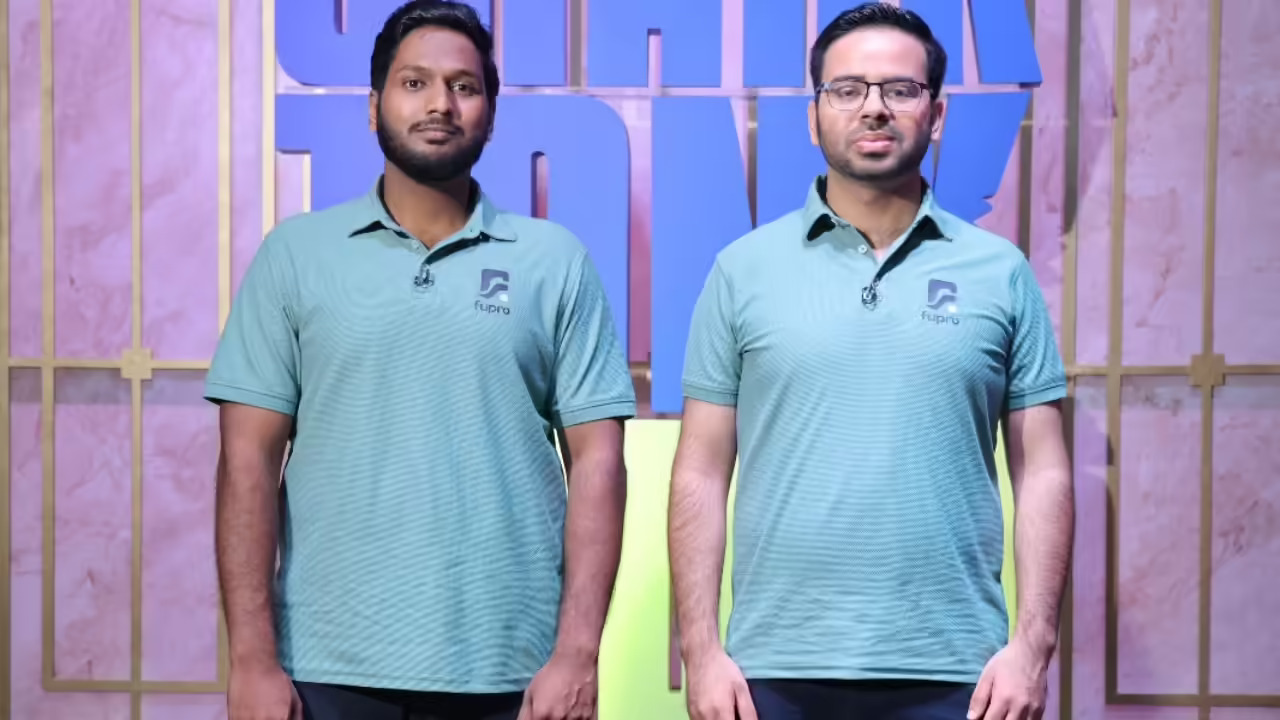
In an exclusive interview, Nimish Mehra and Cyril Joe Baby, Co-Founders of FUPRO Innovation, share how their organisation is redefining assistive technology in India by blending engineering precision with deep human empathy.
From designing prosthetics rooted in real-world Indian contexts to ensuring affordability without compromising dignity, the duo reflects on purpose-led leadership, user-centric innovation, and the long-term commitment required to build trust and meaningful impact in healthcare.
1. FUPRO Innovation operates at the intersection of engineering precision and human empathy. How do each of you interpret this balance in your leadership roles, and how does it reflect in the way the organisation builds and scales solutions?
For us, leadership at FUPRO begins with a simple principle: technology must serve real human needs. Engineering gives us rigour, reliability, and scalability, but empathy ensures relevance. Our role as leaders is to create systems where technical excellence is guided by lived experience—so as we scale, we don’t lose sight of the people we’re building for.
2. Designing prosthetics for diverse Indian lifestyles requires deep contextual understanding. From your respective vantage points, what have been the most important user insights that reshaped how FUPRO approaches product development and delivery?
Designing for India taught us that context matters more than assumptions. Movement here happens on uneven terrain, across long working hours, in varied climates and postures. These insights reshaped how we approach stability, comfort, and durability—pushing us to design prosthetics that perform not just in controlled environments, but in everyday life.
3. Affordability in healthcare often comes with trade-offs. How do you, as co-spokespersons, collectively ensure that cost efficiency never compromises performance, durability, or user dignity?
Affordability should never come at the cost of performance or dignity. We focus on intelligent material choices, modular design, and local manufacturing efficiencies to reduce cost responsibly. The objective isn’t to make cheaper products—it’s to make better products accessible.
4. FUPRO’s journey has included grassroots impact as well as national visibility. How do you divide and align your spokesperson responsibilities when engaging with communities, policymakers, investors, and the media?
While responsibilities may differ across communities, policymakers, investors, and media, the core narrative remains consistent: enabling mobility with dignity. Alignment comes from shared values and clarity of purpose, allowing us to adapt the conversation without diluting the mission.
5. As assistive technology gains more attention in India’s innovation ecosystem, what leadership lessons have each of you learned about building credibility, trust, and long-term impact in a purpose-led enterprise?
Building credibility in assistive technology requires patience, consistency, and humility. Trust is earned through outcomes, not intent. One of the biggest leadership lessons for us has been understanding that meaningful impact compounds over time—and staying committed to the long term is what truly builds resilience and trust.