

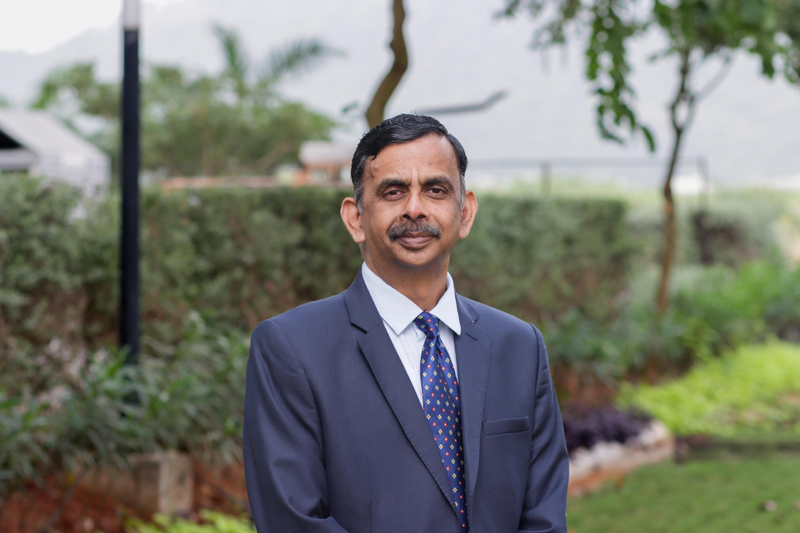
By – Pankaj Belwariar
Director Communications – SRM University – AP ( Amaravati)
In a bold move to supercharge India’s infrastructure, Finance Minister Nirmala Sitharaman announced seven new high-speed rail corridors as “growth connectors” spanning Mumbai-Pune, Pune-Hyderabad, Hyderabad-Bengaluru, Hyderabad-Chennai, Chennai-Bengaluru, and Delhi-Siliguri. These join the ongoing Mumbai-Ahmedabad bullet train project, with its first Surat-Billimora stretch eyeing operations by August 2027. Complementing this, new Dedicated Freight Corridors will link Dankuni in the East to Surat in the West, while 20 National Waterways operationalize over five years—starting with Odisha’s NW-5 connecting mineral hubs like Talcher and Angul to ports at Paradeep and Dhamra. A ship repair ecosystem at Varanasi and Patna will bolster inland waterways. Backed by a Rs 12.2 lakh crore capex allocation for FY27 (up 9% from last year), these initiatives underscore infrastructure’s multiplier effect: every rupee invested yields Rs 2.5-3.5 in GDP growth, per the Economic Survey 2025-26.
Impact on the General Public
These projects promise faster, greener travel, slashing commute times—think Mumbai-Pune in under an hour instead of three. Affordable high-speed options could ease urban congestion, cut pollution from roads, and create millions of jobs in construction, operations, and maintenance. Rural-urban links like Delhi-Siliguri will boost access to markets and healthcare, enhancing quality of life for everyday Indians.
Boost for Industry and Corporates
Industries gain from seamless freight corridors reducing logistics costs by up to 30%, vital for manufacturing hubs in Pune, Hyderabad, and Bengaluru. Corporates in steel, cement, and autos will see surging demand from Rs 12.2 lakh crore capex, while tech and green energy firms benefit from sustainable rail systems. Waterways open mineral-rich Odisha to global ports, fueling exports and attracting FDI.
Tourism and Regional Growth
High-speed corridors will transform tourism by linking cultural gems—Delhi to Siliguri for Northeast hill stations, or Chennai-Bengaluru for temple trails and beaches. Easier access to Varanasi’s spiritual ecosystem via ship repairs could revive inland tourism. Expect a boom in hospitality, local crafts, and experiential travel, aligning with India’s post-pandemic tourism surge.
Pathway to Viksit Bharat@2047
These “growth connectors” embody PM Modi’s vision of a developed India by 2047, knitting 1.4 billion people into a unified economic powerhouse. By prioritizing multi-modal infra (rails, roads, waterways) over 50% of capex, the budget enhances logistics efficiency, productivity, and resilience—key to graduating from emerging to advanced economy status. Challenges like cost overruns (Mumbai-Ahmedabad doubled to Rs 1.98 lakh crore) persist, but sustained investment momentum since FY19 signals commitment to world-class connectivity.